

In a post-Covid world, having a strong and robust supply chain is critical to success.
When companies think about supplier diversity, the conversation often centers on sourcing from different countries. While global diversification has its place, an equally important and often overlooked strategy is building supplier diversity within a single country, especially one as vast and complex as China, and they have such a huge base of manufacturers that you can develop a solid sourcing chain if you have the right team.
For businesses sourcing from China, relying on a narrow group of factories or a single region can introduce unnecessary risk. Fostering a diverse supplier network inside China strengthens supply chains, improves resilience, and creates long-term strategic advantages.
China Is Not a Single Manufacturing Market
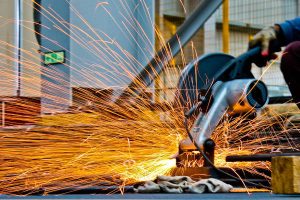
It can be easy to assume that China’s manufacturing capacities are simply spread out throughout the country, but it doesn’t work this way in China. Instead, they are made up of distinct manufacturing ecosystems, each with different strengths, cost structures, labor pools, and risk profiles. Several cities operate as different manufacturing hubs, with Shenzhen specializing in electronics, Shanghai for automotive products, and Hong Kong for textiles, to name a few.
Working with multiple suppliers across regions and specializations allows companies to tap into these differences rather than being limited by them.
Reducing Supply Chain Risk

Having these hubs makes it easier to get products made cheaply and efficiently if you have the right contacts and network. It also allows for redundancies if one factory falls through, you don’t want to be only stuck with one factory. Supplier concentration is one of the biggest hidden risks in sourcing.
When a business relies on a single factory, it becomes vulnerable to disruptions such as labor shortages, transportation delays, or factory shutdowns.
A diversified supplier base within China helps mitigate these risks by:
- Providing backup production options
- Allowing flexibility during peak seasons
- Reducing dependency on any one supplier’s operational health
Improving Negotiation Power and Cost Stability

Supplier diversity also strengthens a buyer’s position.
When businesses have multiple qualified suppliers:
- Pricing becomes more competitive
- Lead times are easier to manage
- Suppliers are incentivized to maintain quality and service standards
This does not mean constantly switching factories but rather having leverage and alternatives. A healthy competition between suppliers means they are more likely to continuously improve quality, price, and service to reach the and compete for the top.
Over time, this leads to more stable pricing, fewer surprises, and healthier partnerships.
Enhancing Quality and Specialization

No single factory is the best at everything.
Some suppliers excel at:
- High-precision manufacturing
- Small-batch or custom production
- Speed-to-market
- Compliance-heavy or regulated products
By having a network of suppliers, this allows us to maintain a wide range of benefits since we can pick the right factory for each job including:
- Higher overall quality
- Fewer production errors
- Better scalability
How Global Trade Specialists Helps

At Global Trade Specialists, we help clients find the right factory for their products with a robust supply chain in China as both backups, and to keep the costs down and quality up. We’ve spent decades building our manufacturing network in China and that includes:
Identifying qualified suppliers across regions
Vetting factories for capability, reliability, and compliance
Building redundancy without sacrificing efficiency
Supporting long-term, relationship-driven scaling partnerships for businesses of all sizes
Supplier diversity isn’t about replacing trusted partners — it’s about strengthening your supply chain so it can perform in any environment.