

Importing Products & Goods to Canada: Customs, Ports & Requirements
Importing products from China into Canada offers tremendous opportunities for businesses looking to improve costs, expand product lines, and scale quickly. China remains the world’s most competitive manufacturing hub, and Canada’s importing process, while thorough, is clear and navigable with the right guidance.
At Global Trade Specialists, we’ve helped companies across North America source from China for over 30 years. If you’re planning to bring goods into Canada, here is a complete breakdown of how the process works, what the customs requirements are, and what to expect at Canadian ports of entry.
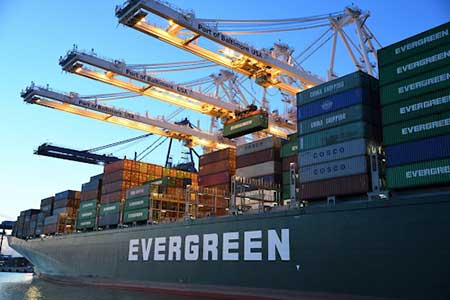
Why Import from China to Canada?
China is still the global center for manufacturing, and Canadian businesses benefit from: Lower Production Costs
Labor, tooling, and raw material costs consistently trend 3-5x lower than in North America. This has allowed them to keep quality high while costs low and makes them an ideal production partner.
Full Spectrum Manufacturing Capability
Whether you need metal parts, injection-molded plastics, electronics, packaging, textiles, or custom-made product lines, China has specialists in every category. There are major manufacturing hubs in several areas of China that specialize in key manufacturing sectors, such as Shenzhen for electronics or Qingdao for fabrics.
Scalable Production
Factories are structured to move from small trial runs into full-scale mass manufacturing without needing to switch suppliers. China has mastered the art of scaling from small to massive operations, hence how they’ve supported one of the world’s largest populations.
Improved Margins & Competitive Pricing
Importing enables Canadian businesses to compete with major retailers and global brands. With rapid scaling, great price margins, and quick turnaround times, China has allowed Canadian companies of all sizes to compete in a global market.
Key Requirements for Importing Into Canada
Importing into Canada follows a structured process governed by the Canada Border Services Agency (CBSA). Here’s what you need to have in place before your shipment leaves China.
Business Number (BN) With Import/Export Account
CBSA requires you to have a valid Business Number (BN) from the CRA, with an RM (Import/Export) extension. If you don’t have this set up, you can typically register within a single business day.
Know the HS Code for Your Product
Every imported item must be classified under the Harmonized System (HS).
Your HS code determines:
- Duty rate
- Whether anti-dumping applies
- If special documentation is required
- Whether it’s restricted or controlled

Duties, Tariffs & GST
Most consumer goods imported from China fall under these cost categories:
- 5% GST (applied to most imported goods)
- Duty rates ranging from 0% to 20% depending on the HS code
- Excise taxes on certain items (e.g., tobacco, alcohol, some luxury goods)
Canada does not charge U.S.-style Section 301 tariffs, so duties are more stable and predictable.
Required Documentation
CBSA will require:
- Commercial Invoice – This must include values, currency, Incoterms, country of origin, and full product descriptions.
- Packing List
- Bill of Lading (ocean freight) or Air Waybill (air freight)
- Canada Customs Invoice (CCI)
For shipments valued at CAD $2,500 or more.
- Certificates of Origin – needed only for certain categories.
We help clients prepare all documents and coordinate with your customs broker to ensure smooth clearance.
Canadian Ports of Entry for Imports from China
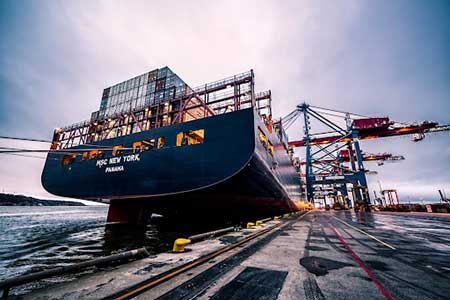
Most goods imported from China enter Canada through one of these major ports or air hubs:
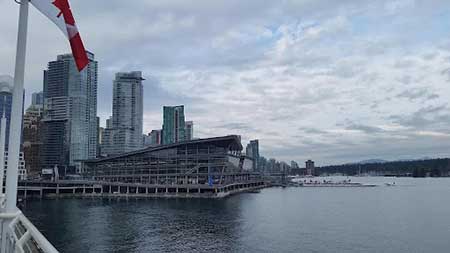
- Port of Vancouver (British Columbia) – The busiest port in the country and the primary gateway for Asia–Canada trade, nearly all ocean freight from China enters Canada here.
- Port of Prince Rupert (British Columbia) – Fastest transit times from Northeast Asia due to less congestion and advanced rail connections. Businesses moving high-volume shipments often prefer Prince Rupert for speed.
- Toronto Pearson International Airport (YYZ) – Primary destination for air freight entering central and eastern Canada.
- Vancouver International Airport (YVR) – Major air freight hub for west coast distribution.
- Montreal (Port of Montreal + YUL Airport) – Used mainly for Eastern Canada, especially Quebec and Ontario importers shipping via the Suez Canal or air.

Importing by Shipping Method
- Ocean Freight – Best for large shipments or heavy cargo. You’ll get the lowest cost and a quick turnaround time; the average is 20–35 days from China.
- Air Freight – With a higher cost, you’ll be getting a 2-7 day shipping time by air. This is ideal for high-value, small-volume, or time-sensitive goods.
- Express Courier (DHL / FedEx / UPS) – This option is the fastest but most expensive. It’s typically used for samples or very small shipments.
We coordinate all modes depending on your budget and timeline.
Compliance Considerations When Importing to Canada
Certain products have additional regulations. Examples include:
- Electronics may require CSA, UL, or ICES compliance
- Food & supplements – Canadian Food Inspection Agency (CFIA) clearance
- Medical devices – Health Canada licensing
- Cosmetics & beauty products – Ingredient restrictions + labeling rules
- Children’s items – stricter safety standards, testing, and labeling
How Global Trade Specialists Helps Canadian Importers
Working with factories in China is complex—language barriers, quality control issues, and supply chain risks are common challenges. As your sourcing partner, GTS helps you avoid costly setbacks.
Here’s what we do:
Reliable Factory Sourcing
We match you with trusted manufacturers based on:
- Product type – different products will require different machinery and expertise to go with it. We source from the most qualified factory for your products.
- Material requirements – Different grades of material will affect both the quality and the cost. We can source most materials for your products.
- Quality expectations – We will match the factory to the standards of your drawings. Your products will match the quality you need. We only work with vetted factories we trust. We’ll make sure they have the inspection processes and equipment to make your orders to spec.
Logistics & Customs Coordination
We work directly with freight forwarders, shipping carriers, customs brokers.
Importing products from China to Canada can be one of the most profitable moves your business makes—but only if handled correctly. Between customs requirements, product compliance, and quality control, there are many steps where things can go wrong.
At Global Trade Specialists, we guide you through every stage—from finding the right factory to ensuring your product clears Canadian customs without delays.
If you’re considering sourcing products from China for your Canadian business, we’d be happy to help you get your product made efficiently and cost effectively.
Contact us today if you’re interested in importing into Canada, we have a wealth of experience importing and helping customer receive their products successfully.